Funding Agreements

NYCEDC’s Funding Agreements division is dedicated to helping nonprofit organizations plan and execute construction and real property acquisition projects, especially when nonprofits are recipients of capital funding from elected officials.
- Our Mission: Responsibly guiding nonprofit organizations through the City funding process to advance capital projects serving a public purpose.
- Our Vision: Supporting equitable access to essential services and programs for all New Yorkers through the funding of capital improvements.
By the Numbers
City Capital managed by Funding Agreements across 170+ projects (FY 26)
Registered City Capital managed by Funding Agreements (FY 26)
Disbursed City Capital managed by Funding Agreements (FY 26)
City Capital managed by Funding Agreements across 170+ projects (FY 26)
Registered City Capital managed by Funding Agreements (FY 26)
Disbursed City Capital managed by Funding Agreements (FY 26)
Process Overview
Funding Agreements manages projects through the City Capital process. The process consists of multiple phases, which require project and compliance documentation from the recipients of City Capital funding (Funding Recipients). We partner with Funding Recipients to collect and prepare the relevant documentation for review and approval from various City agencies.
The City Capital Process
- City Capital Application
- Certificate to Proceed Preparation and Submission
- Funding Agreement Contract Execution and Registration
- Requisitions and Funding Agreement Contract Closeout
Funding Agreements developed this Process Flow Chart, which provides a more detailed overview of the City Capital process including relevant definitions, stakeholders, considerations, and caveats.
Deliverables
We’ve developed documents to help Funding Recipients hit the ground running once they receive a City Capital award.
Intake Deliverables: Funding Recipients must provide certain initial project documentation to advance through the City Capital process.
Compliance Deliverables: Per the Funding Agreement, Funding Recipients must comply with certain contract compliance requirements.
External Resources
Resources for Potential Applicants of City Capital Funding
- Applying for Funding from Elected Officials (OMB Capital Grants Portal - CapGrants)
- Capital Funding for Cultural Institutions (Department of Cultural Affairs)
- Capitally Eligible Costs (Accounting Directive 10)
Resources for Current Funding Recipients
- Registering Organizations and Contractors with the City (PASSPort)
- Registering Organizations and Vendors for Payment (Payee Information Portal)
- How to Conduct an Environmental Review (Mayor’s Office of Environmental Coordination)
- Conducting Property Title Searches (Automated City Register Information System - ACRIS)
- A Visual Map of Property Information (NYCityMap)
- Accessing Registered Funding Agreements (CheckbookNYC)
- Employment Reports for Supply and Services and Construction Contractors (NYC Small Business Services)
Projects
Funding Agreements works with Funding Recipients on capital projects to improve spaces such as community centers, healthcare facilities, and cultural institutions. Below are a few examples where nonprofit organizations worked with us to access and utilize City Capital funding.
Intrepid Museum | Pier 86 Renovation
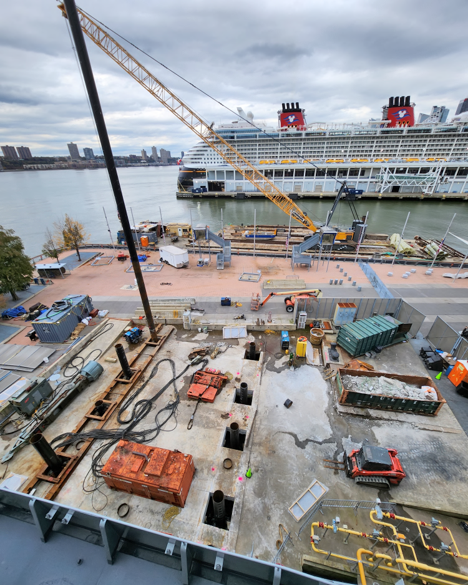 Funding Agreement Amount: $3,844,000
About the Organization: The Intrepid Museum is one of New York City’s leading cultural and educational destinations, located on publicly accessible Pier 86 within Hudson River Park. Opened in 1982, the museum is home to the historic aircraft carrier Intrepid, the space shuttle Enterprise, the British Airways Concorde, and the Cold War-era submarine Growler, and welcomes nearly one million visitors every year. Each year, tens of thousands of students, teachers, veterans, and families participate in the museum’s education and community programs. Beyond its exhibitions, Intrepid serves as an active public gathering place on Manhattan’s West Side, offering free festivals, performances, astronomy nights, outdoor movies, and other cultural experiences that connect New Yorkers and visitors with the city’s waterfront.
About the Project: In 2024, the Intrepid Museum completed a major reconstruction of the final deteriorated section of Pier 86, transforming previously inaccessible waterfront infrastructure into safe, permanent public space. The project removed a decommissioned chiller plant and replaced the aging pier structure with new steel piles, reinforced concrete supports, and a reconstructed pier surface designed for long-term durability. Most importantly, the investment created approximately 4,020 square feet of new publicly accessible waterfront space—opening an area of the pier to visitors for the first time. The project strengthened critical infrastructure supporting one of New York City’s most visited cultural destinations while expanding the public realm, improving the visitor experience, and ensuring that Pier 86 can continue serving millions of New Yorkers, students, families, and visitors for decades to come.

.
Ohel | Program Space Renovation
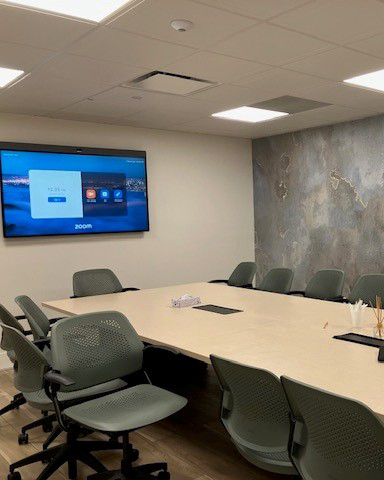 Funding Agreement Amount: $1,500,000
About the Organization: Ohel Children's Home and Family Services, Inc. is a registered 501(c)(3) nonprofit organization that has evolved over more than 50 years from a foster care agency into a comprehensive social services agency serving individuals and families facing lifelong disabilities, mental illness, addiction, trauma, and other life challenges. Founded in 1969, Ohel provides residential care, services, and programs for individuals with developmental disabilities and mental health challenges; treatment for individuals and families in crisis; support for older adults; shelters for victims of domestic violence; foster care placement for Jewish children; and outpatient mental health and substance use treatment services. Ohel operates throughout New York City, with offices in Brooklyn and Queens, serving a diverse client population across all stages of life.
About the Project: In 2025, Ohel completed the build-out of the previously unfinished 13,000-square-foot fourth floor of its Brooklyn headquarters to expand critical program space. The project created dedicated facilities for Ohel's Prevocational and Supported Employment (SEMP) programs, which help individuals with developmental disabilities develop vocational and independent living skills, as well as its Personalized Recovery Oriented Services (PROS) program for individuals with severe and persistent mental illness. The new space includes classrooms, computer training and employment training rooms, meeting spaces, staff offices, a wellness room, dining and kitchen facilities, and common areas designed to support program operations. By relocating these growing programs to the new fourth floor, Ohel increased its capacity to provide frontline services and expanded opportunities for individuals with disabilities and mental health challenges to develop social, educational, and vocational skills.
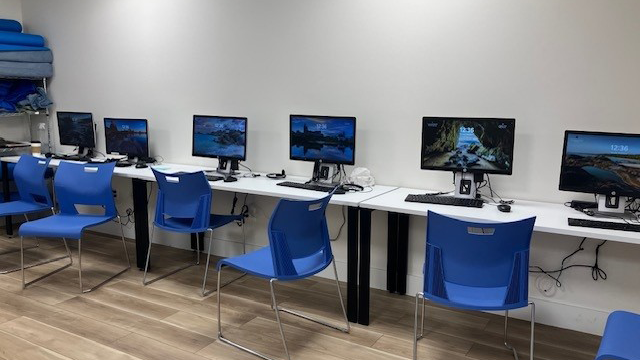
.
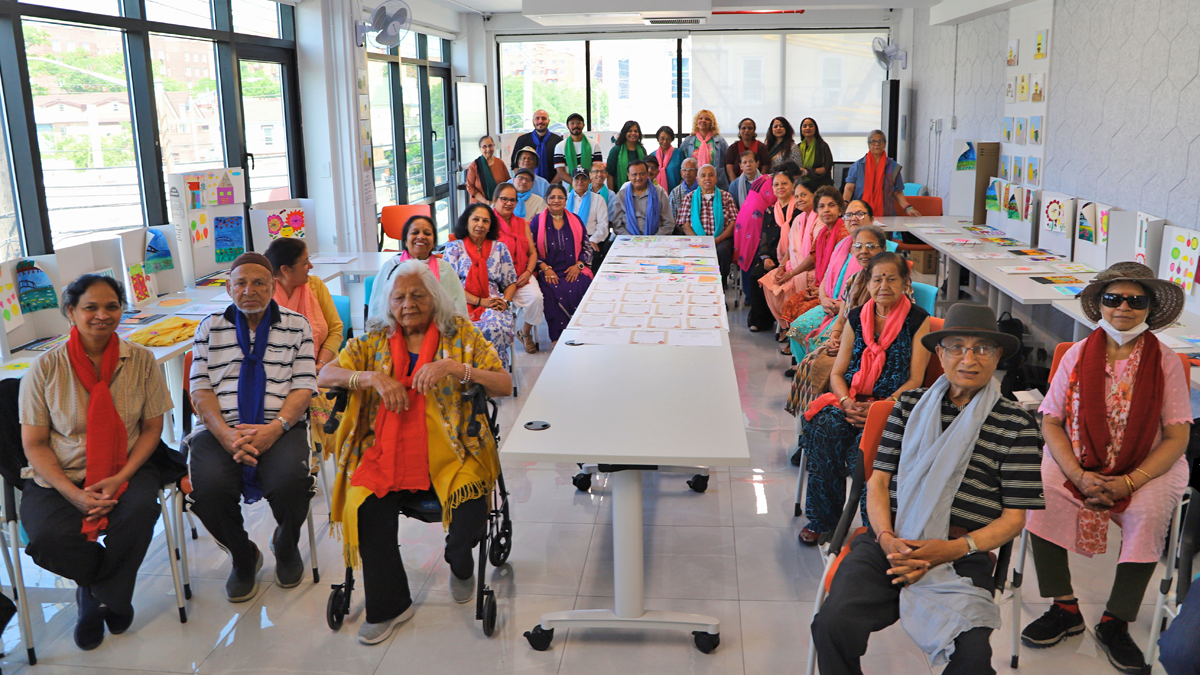
South Asian Council for Social Services | Community Center Acquisition
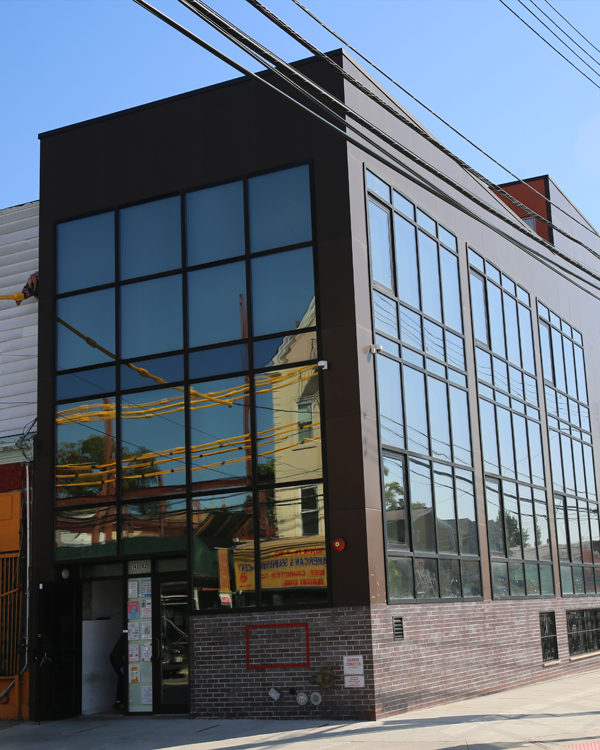 Funding Agreement Amount: $2,362,500
About the Organization: The South Asian Council for Social Services is a 501(c)(3) nonprofit organization founded in 2000 and located in Flushing, Queens, which provides culturally competent services to empower and integrate underserved South Asians and other immigrants into NYC’s economic and civic life. SACSS offers assistance in clients’ own languages through programs including a food pantry, healthcare access support (including health insurance enrollment and post-enrollment assistance), case management, and connections to social services, ESOL and computer classes, senior programs, hunger relief, benefits assistance, and civic engagement.
About the Project: In 2021, SACSS acquired a new building at 143-02 45th Avenue to address space limits and expand the amount and quality of its work. With the new space, SACSS accommodates more people who rely on the food pantry, provides intensive case management and connection to healthcare and social service benefits, organizes various health screenings in a dignified setting, and offers a twice weekly senior center, a weekly mental health support group for women, counseling services, and a legal immigration clinic. Moving into an expanded space also enabled SACSS to enhance its workforce development program to include stitching classes in addition to English and computer classes. The community center strengthens SACSS’ role as a neighborhood hub for services to respond to those in need.
Get in Touch
Interested in learning more? Let's connect!